A good learning routine for a 3- to 6-year-old isn't a classroom timetable. It's a predictable rhythm of sleep, play, meals and a few short learning moments that your child can count on.
If your days at home swing between “What are we doing now?” and a meltdown at 4 p.m., you're not alone. Young kids do best when they know what's coming next, and so do the grown-ups looking after them.
This guide shows how to build a learning routine step by step: why routines help, what a balanced day looks like, how long young kids can really focus, a 7-step setup, two sample schedules, quick learning block ideas and free worksheets to fill them.
Quick takeaways
- Keep the order of the day the same, even if the times shift.
- Learning blocks should be short: about 5 to 15 minutes, depending on age.
- Play, sleep and movement are part of learning, not breaks from it.
- A picture schedule helps kids follow the plan on their own.

What a Balanced Learning Routine Includes
At ages 3 to 6, a learning routine is mostly play, and any daily routine for preschoolers should reflect that. Formal learning takes a small slice of the day; sleep, movement and free play take the biggest ones.
| Part of the day | How much | Examples |
|---|---|---|
| Sleep | 10 to 13 hours a day, including naps, for ages 3 to 5 | Same bedtime and wake time most days |
| Active play | Throughout the day for ages 3 to 5; 60+ minutes a day from age 6 | Outside time, dancing, climbing |
| Free play | Long, uninterrupted stretches | Blocks, pretend play, art |
| Learning blocks | Short: about 5 to 15 minutes each | Worksheets, letter and number games |
| Reading | Every day | Story time, picture books, library trips |
| Screens | Set times, not to fill every gap | A planned slot after active play |
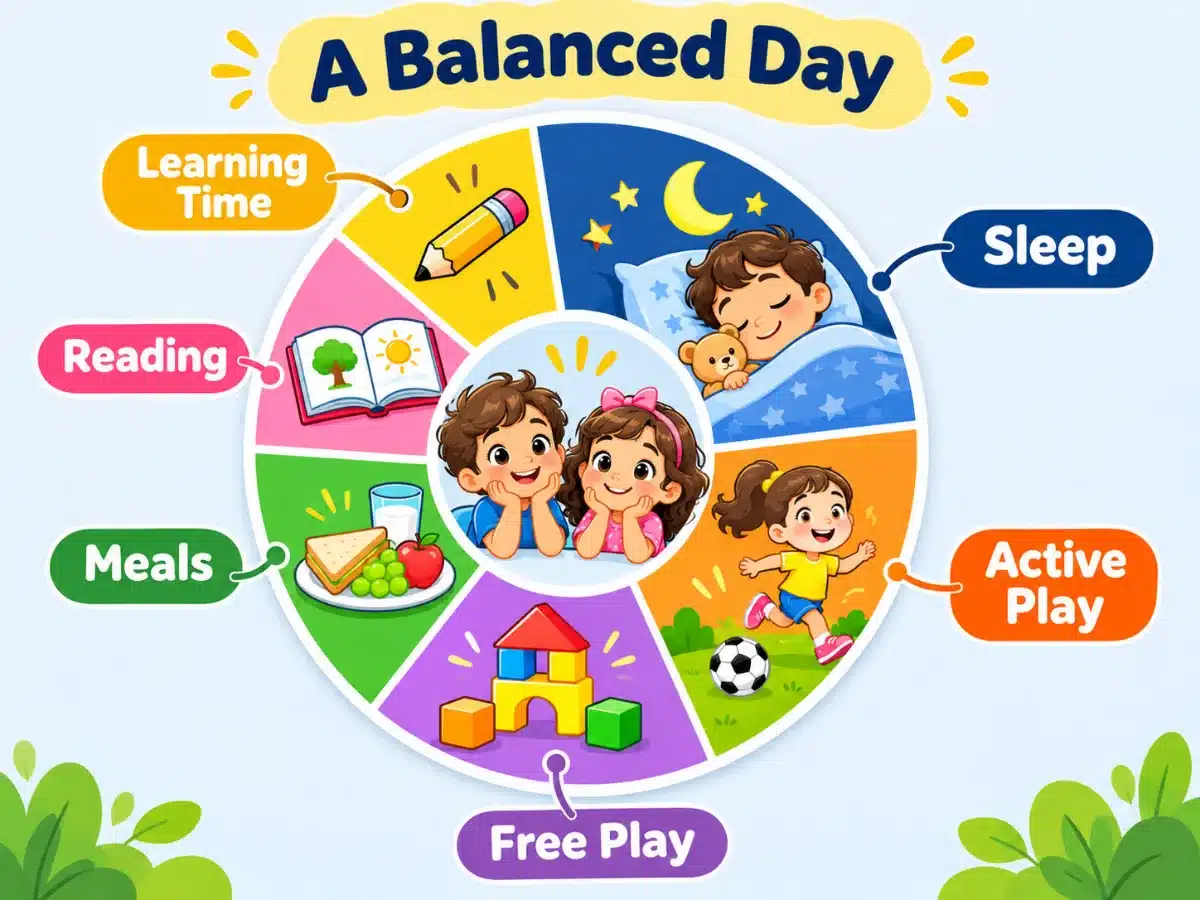
Where these numbers come from: the American Academy of Sleep Medicine's consensus on children's sleep, endorsed by the American Academy of Pediatrics, recommends 10 to 13 hours per 24 hours for ages 3 to 5, including naps. The CDC says children ages 3 to 5 should be active throughout the day, and those 6 and older need 60 minutes or more each day.
How Long Should Each Learning Block Be?
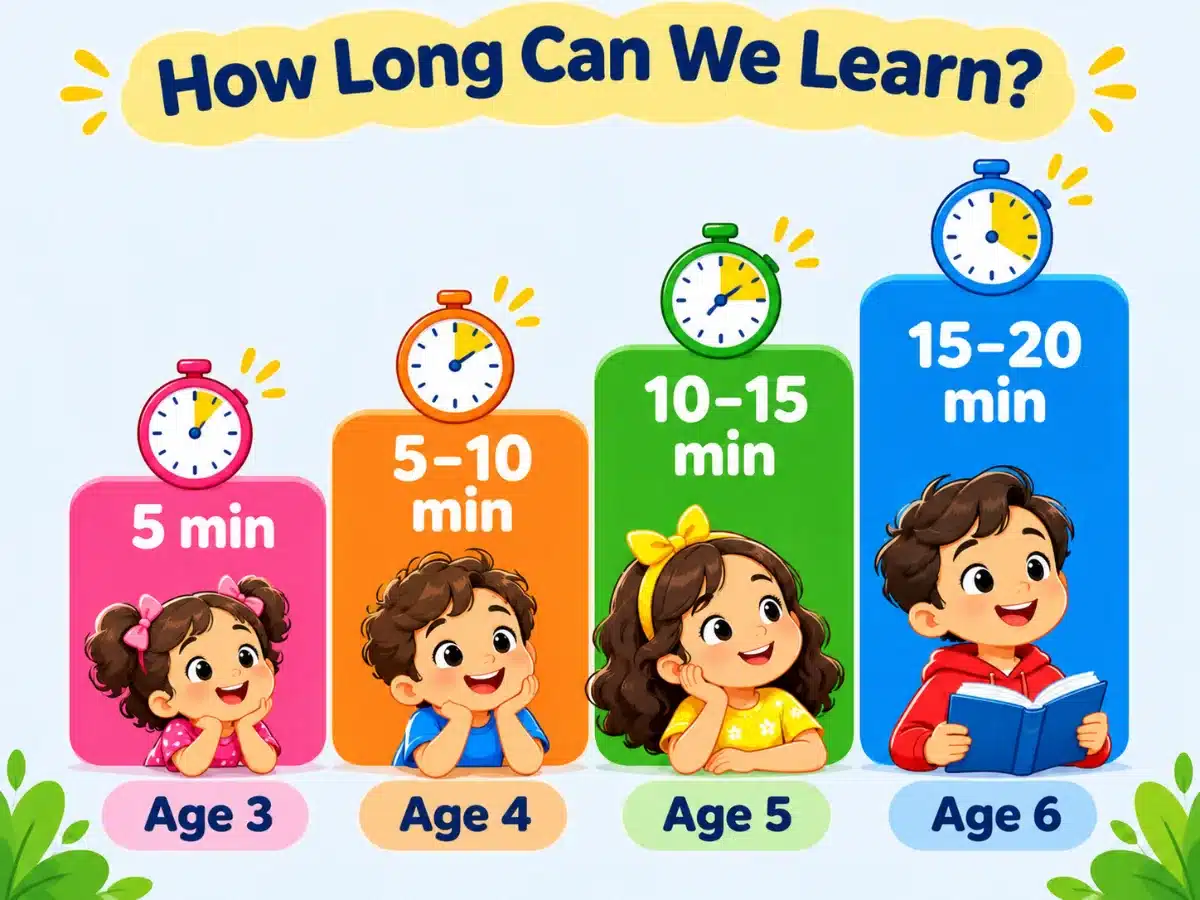
Short. Much shorter than most parents expect. The CDC's milestones for 5-year-olds include paying attention for about 5 to 10 minutes during activities like story time or crafts. Use these lengths as a rough guide when you plan a learning routine:
About 5 minutes
One quick activity, then a change. Lots of movement in between.
5 to 10 minutes
Can sit for a short worksheet or game if it's hands-on.
10 to 15 minutes
Many 5-year-olds focus on a craft or story for 5 to 10 minutes or a bit more.
15 to 20 minutes
Ready for slightly longer blocks, still with breaks.
If your child wiggles away after three minutes, that's not a failure. End the block, move around and try again later. Two happy 5-minute blocks teach more than one tearful 20-minute session.
7 Steps to Set Up a Learning Routine at Home
You don't need a perfect schedule on day one. Build it in layers over a week or two.
Anchor the day
Fix wake-up, meals, nap or quiet time and bedtime first. Everything else fits around these anchors.
Add active play
Put outdoor or movement time in the morning and again in the afternoon.
Choose your learning slots
Pick one or two short learning blocks when your child is freshest, often mid-morning.
Rotate the subjects
Letters one day, numbers the next, then shapes, coloring and reading. Variety keeps it fun.
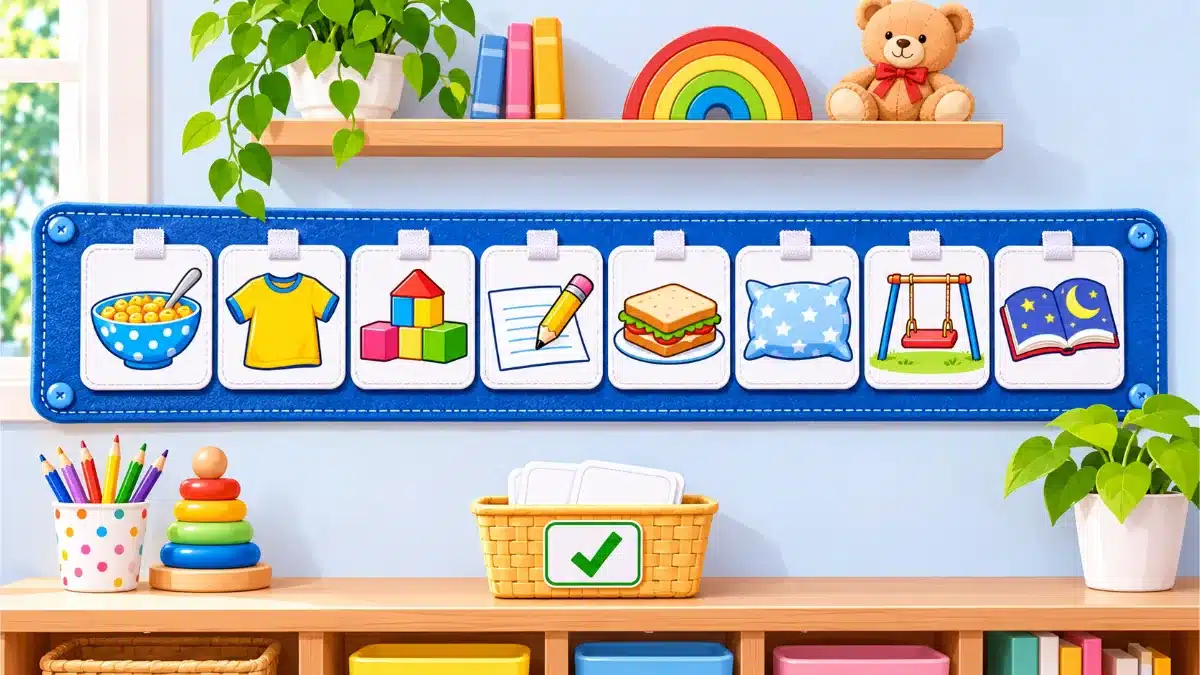
Make it visual
Use a picture schedule with simple cards your child can move to a “done” pocket.
Use the same transition cues
A song, a timer or a five-minute warning tells your child a change is coming.
Review after a week
Keep what works and drop what doesn't. A learning routine should fit your family, not the other way around.
Give any new learning routine about two weeks before you judge it. The first few days often feel bumpy while everyone gets used to the new rhythm.
💡 Tip: keep the order, not the clock. If breakfast runs late, the rest of the day just slides along in the same sequence.
Ideas for 10-Minute Learning Blocks
Rotate one theme per day so your learning routine never gets stale. Each idea fits a 5- to 15-minute block.
Letter day
Trace one letter, find it in a book and build it from playdough.
Number day
Count toys, trace numbers and play a quick dice game.
Shape day
Go on a shape hunt around the house and trace circles and squares.
Coloring and fine motor
Color a page with bold outlines or practice tracing lines.
Reading day
Read a picture book together and point out sight words.
Kitchen math
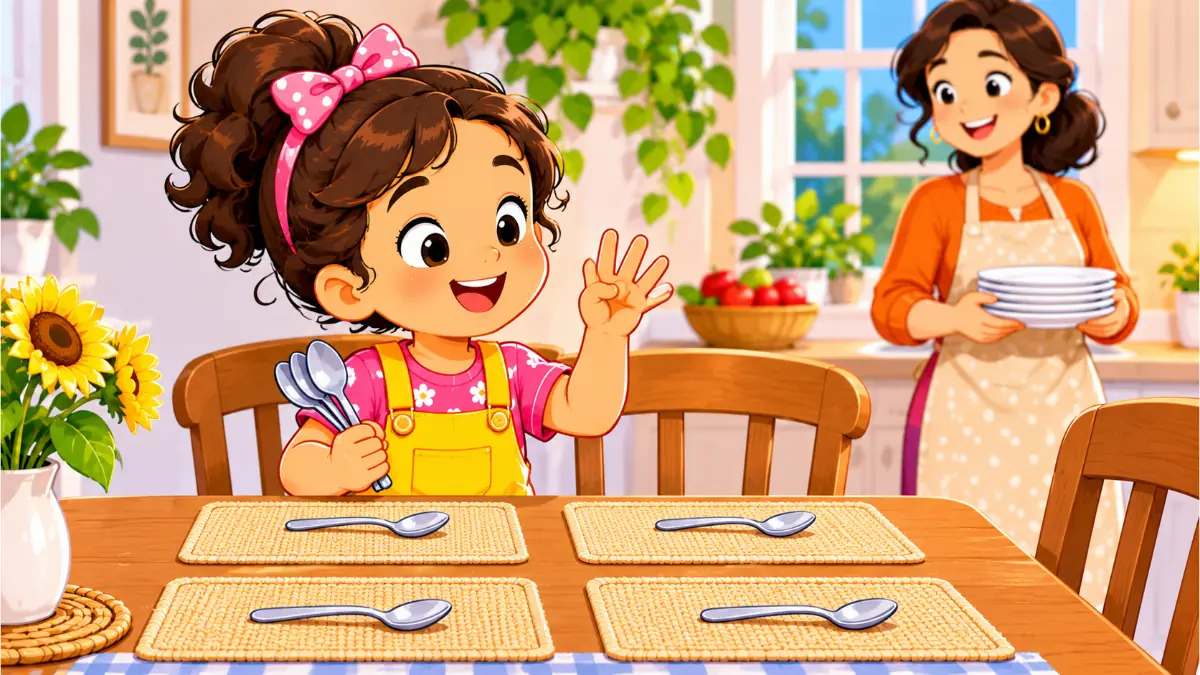
Count spoons, measure flour or sort fruit by color while you cook.

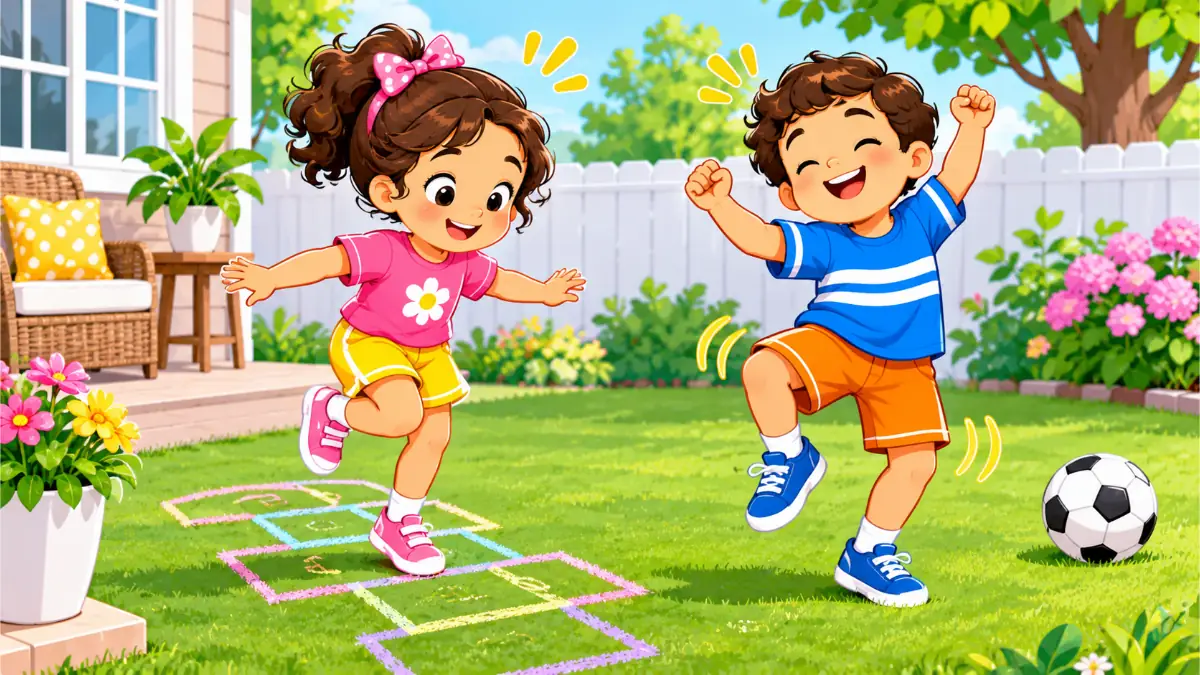
A sand timer helps kids see how long a block lasts. When the sand runs out, it's time to move, and a movement break helps them reset:
Story time is the easiest learning block to keep, and many families make it part of every day:

Everyday chores count too. Setting the table, sorting laundry or measuring for a recipe is real math your child can see:
Free Worksheets for Your Learning Routine
Printing a few pages on Sunday makes the week's learning blocks effortless. Kidzolearn's worksheets are free, need no login and print on US Letter or A4 with “Fit to page” on.
Free Worksheets for Every Learning Block
Letters, numbers, shapes, coloring and more for ages 3 to 7.

A simple weekly prep
- Pick one theme per weekday.
- Print one or two worksheets for each theme.
- Keep them in a folder next to the crayons.
For younger kids, start with tracing lines and our pre writing strokes guide before letters. Older kids can try short reading comprehension worksheets.
Rhythm Over Perfection
The best learning routine is one you can actually keep. Anchor the day with sleep and meals, fill it with play, add a few short learning blocks and finish with a calm bedtime. Your child will feel the rhythm, even on the days that don't go to plan.
When you're ready to fill those learning blocks, browse our free printable worksheets for kids.